NASA’s Moon Orbiter Spots New, ‘Once-in-Century’ Moon Crater
🌀 Reality-Breaking
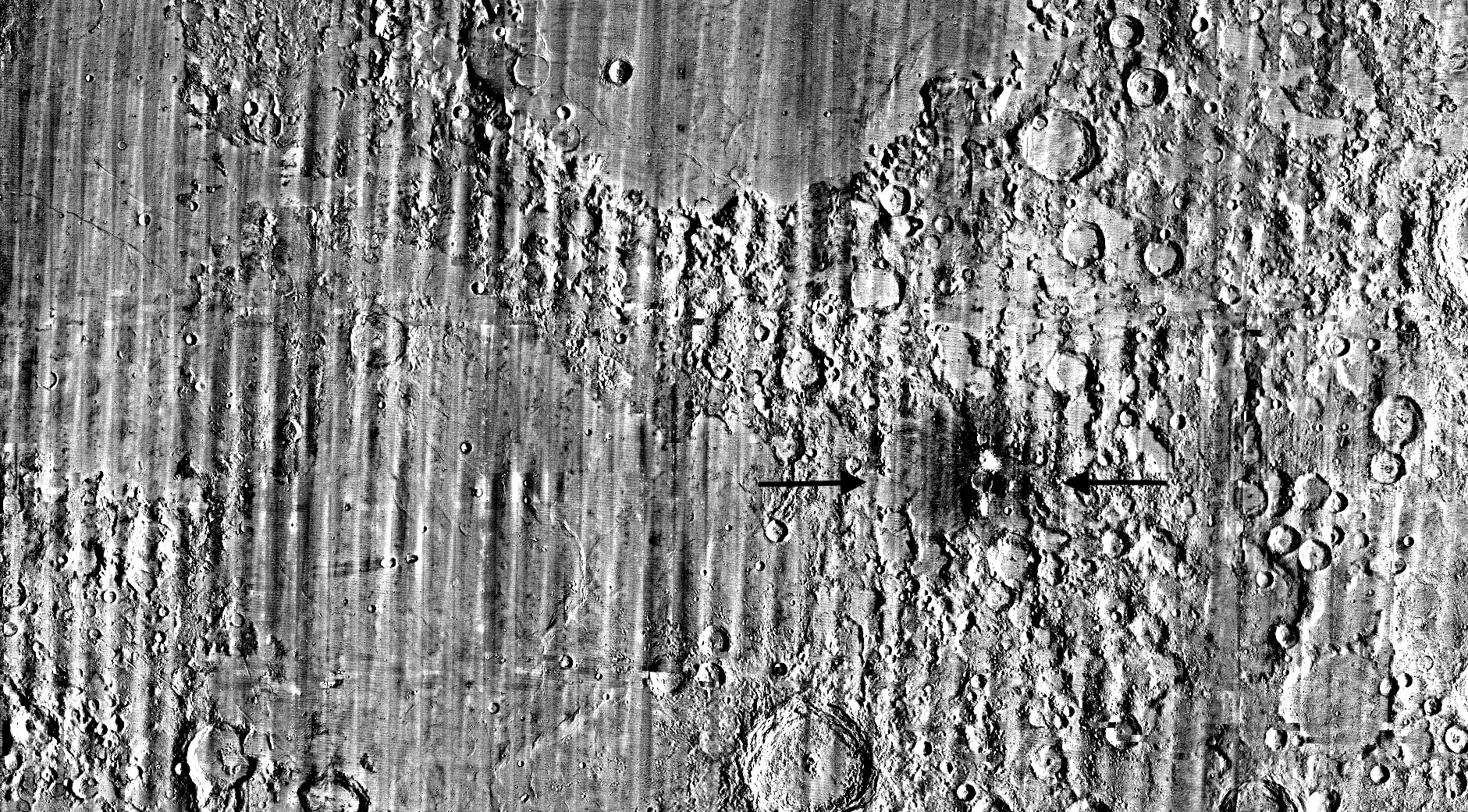
“A NASA scientist discovered a large, fresh crater on the Moon while performing a routine data-quality check of lunar imagery. The impact site is notable for its size and the bright, shaken-up surface material surrounding it.”
Why It's Weird
The diversity of human experience across the world produces stories that challenge our assumptions. This solid weirdness score indicates a story that's genuinely outside the realm of normal experience.
Read the full oddity in the app
Oddly Enough on the web is for discovery. Open the iPhone app for the complete story, offline saves, and your personalised feed.
Get Oddly Enough for iPhoneFull articles are available in the app.
Get Oddly Enough on iOS
Your daily dose of the world's weirdest, most wonderful news. Original articles, 100% autonomous.
Download on the App StoreYou might also like 👀

Taylor Swift just became the namesake of a newly-discovered insect
A newly discovered group of Australian insects has been named Swiftiephylus in honor of Taylor Swift. The insects are noted for physical traits that resemble the singer's signature blonde hair and red lipstick.

James Webb reveals Chariklo’s mysterious rings are changing faster than expected
Observations from the James Webb Space Telescope show that the rings surrounding Chariklo, a small object between Saturn and Uranus, are shifting in opacity much faster than anticipated. The cause of these rapid changes remains a mystery to scientists.

Newfound ‘Baby’ Planet Smashes Record for Youngest Known World
Astronomers have identified a planet named Elias 2-24 b that is less than a million years old. The planet is still forming within its original disk of dust and gas, challenging existing planetary formation models.
/https://tf-cmsv2-smithsonianmag-media.s3.amazonaws.com/filer_public/26/6d/266d0251-3017-4c0a-a88f-305c47e421b7/field.jpg)
The Ruins of a Long-Lost Medieval Convent Have Been Discovered Just a Few Feet Beneath a Soccer Field
Ground-penetrating radar has revealed the surprisingly intact remains of a 16th-century convent buried just beneath a soccer field. The site includes a church, cloisters, and a courtyard that were previously thought to be lost.