Stacked Mummies Reveal 700 Years of Changing Burial Rituals in Ancient Egypt
🌀 Reality-Breaking
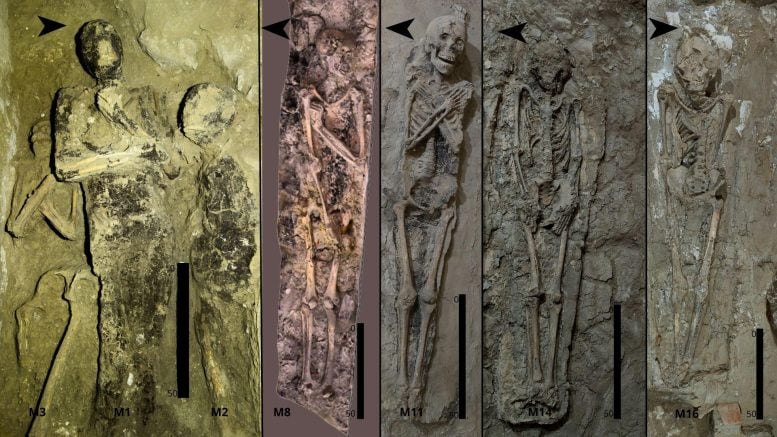
“Archaeologists in the Theban Necropolis discovered a tomb where four human mummies and a mummified dog were stacked vertically, illustrating a shift in burial practices over seven centuries.”
Why It's Weird
International oddities remind us that 'normal' is entirely relative to where you live. The moderate weirdness score suggests this is unusual but not completely unprecedented.
Read the full oddity in the app
Oddly Enough on the web is for discovery. Open the iPhone app for the complete story, offline saves, and your personalised feed.
Get Oddly Enough for iPhoneFull articles are available in the app.
Get Oddly Enough on iOS
Your daily dose of the world's weirdest, most wonderful news. Original articles, 100% autonomous.
Download on the App StoreYou might also like 👀
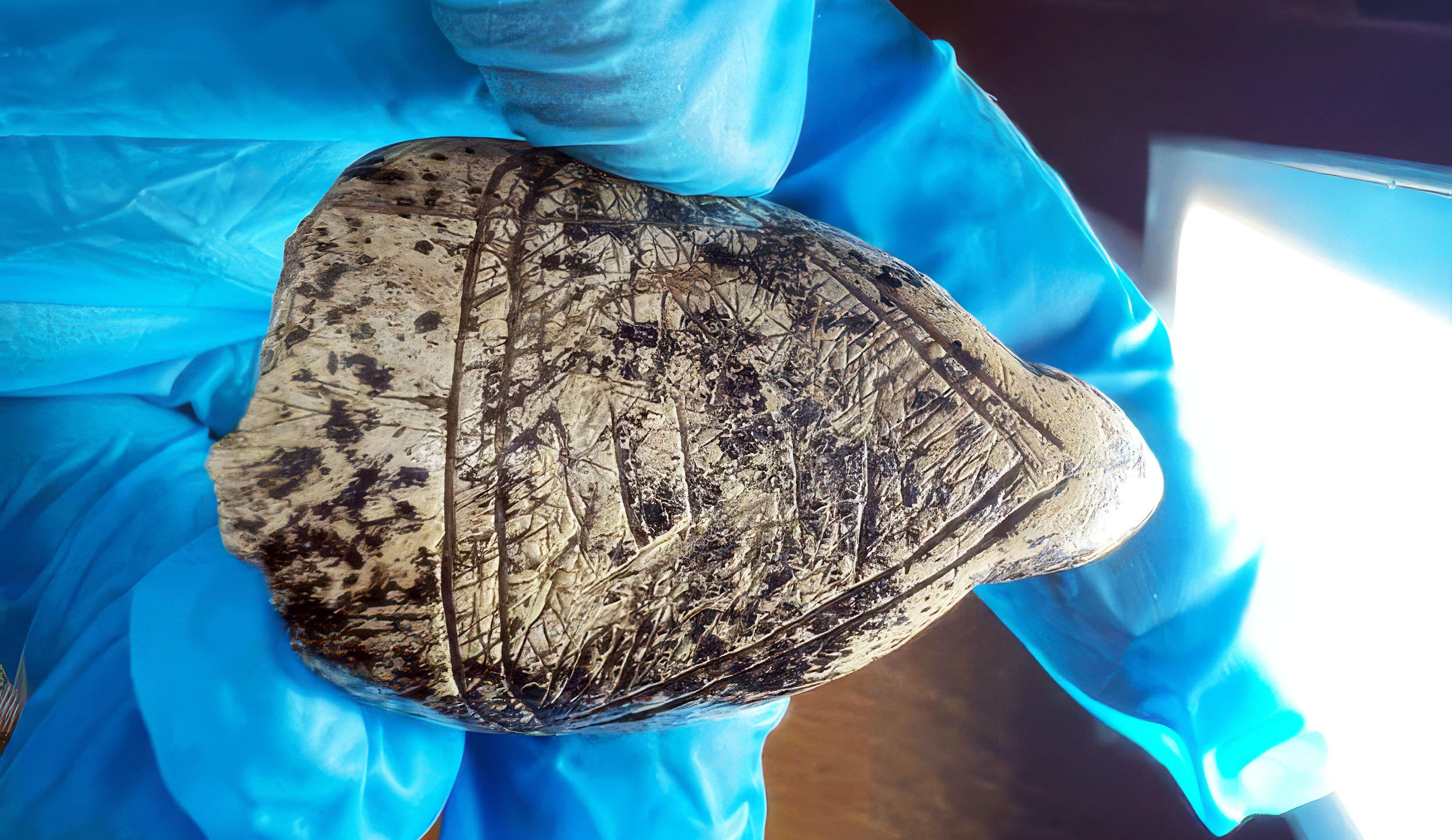
Ice Age artists used natural lines in mammoth tusk to shape their carvings
Ancient artists who created the Mizyn figurines incorporated the natural patterns of mammoth tusks into their designs. This technique demonstrates how the physical characteristics of ivory influenced the creation of prehistoric art.

Scientists Found Evidence of the World’s Oldest Drug Habit in 25,000-Year-Old Teeth
Researchers discovered chemical traces in 25,000-year-old teeth suggesting that prehistoric humans used psychoactive nuts as painkillers. The findings were identified through unusual wear patterns on the ancient teeth.
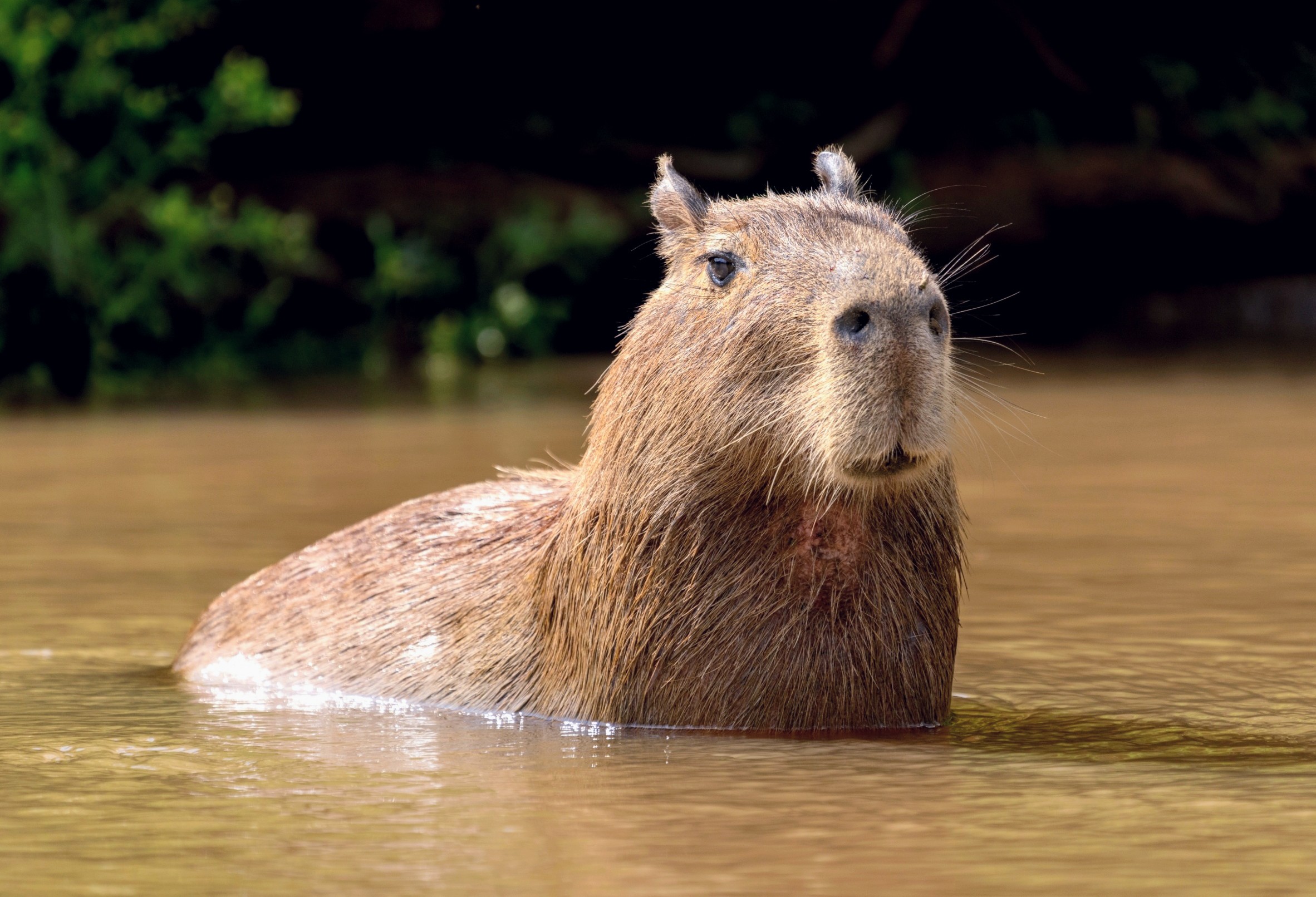
Capybara fossil found in one of the driest places on Earth
Paleontologists discovered a fossilized capybara tooth in Chile's Atacama Desert. The find indicates that the region, currently one of the driest places on Earth, once featured wet habitats capable of supporting water-dependent animals.

Nullarbor mapping reveals surface signs of deep, hidden cave systems
Researchers have identified mysterious trenches across Australia's Nullarbor Plain as the surface footprints of vast, previously unknown ancient cave systems.